
A Startup Without Cybersecurity is a Waste of Time.
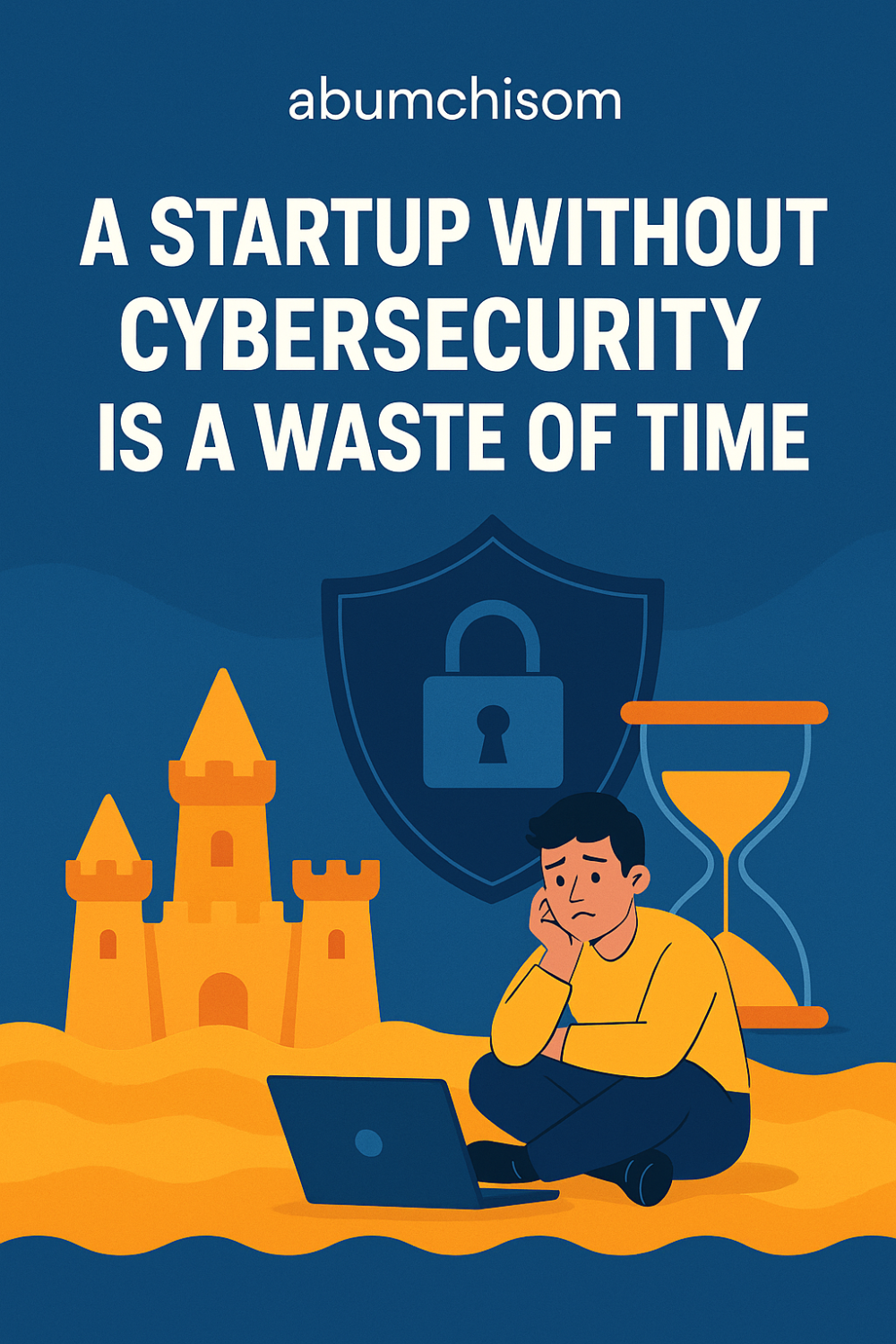
This is a bold statement, but if we are being genuinely honest with ourselves, why build a castle on sand?
Startups are fast-growing companies that secure funding and acquire early-stage employees and users.
They are doing many different important things at different times, but some startups still neglect one key thing that could be the difference between ultimate success and failure: their cybersecurity posture.
In this article, I will show you how you are risking your business and what you can do as a smart entrepreneur.
Why Startups and Small Businesses Neglect Cybersecurity
This cybersecurity negligence among some startups is concerning, but there are reasons for it.
Cost:
On average, cybersecurity solutions for small enterprises cost around $ 1,000 per month, sometimes even much more, depending on the industry.
Startups are efficient money-management machines; they optimize costs so much that anything whose effect isn't immediate is automatically postponed. Cybersecurity, being what it is, doesn’t have an instant effect until a breach comes knocking. This results in many startups pushing cybersecurity out of the ‘now’.
Priority:
Like I wrote earlier, startups, on average, deal with a lot of important issues. Marketing, user acquisition, getting funded, technical build, etc.
While these are valid, focusing solely on them can create security gaps that often go unnoticed until a strike occurs.
Ignorance:
Sitting at number three on my list is ignorance, or what I can also call negligence. This is common with businesses that aren’t techy, but still use online technologies.
Schools, Pharmacies, Bookshops, Restaurants, etc. These businesses, while not tech-first, use technologies such as bank transactions and computers to record, create, and share data files.
These are the kinds of businesses that fall into the ‘we simply don’t need cybersecurity’ trap. Unfortunately, they do, because they deal with data. Something attackers love.
Size:
Part of what startups are good at is reducing team size as much as possible. While this improves speed and efficiency at startup, they may see cybersecurity as an added cost.
This doesn’t have to be so. You don’t necessarily need an in-house cybersecurity team to maintain a strong cybersecurity posture. Many organizations specialize in providing cybersecurity services to businesses. You can adopt this method, which is actually the best for a small business.
Why Should Startups and Small Businesses Prioritize Their Cybersecurity Posture
Short answer: Attackers love startups.
Long answer: Attackers know that many startups don’t take cybersecurity seriously, and there has been a gradual shift over time.
Many attackers are now looking away from FAANG-sized companies, where they can potentially earn millions or even billions, toward small or medium-sized businesses because it is easier to break into 10 small businesses with $20k each on average than to work for months or even years on large enterprises, with a lower chance of success.
It has become a rinse-and-repeat pattern. Quick and smooth.
This has further democratized entry; with the bar lowered, more and more inexperienced attackers are now successfully breaching. Why give them that lever?
Additionally, highly regulated industries like finance may require strong security compliance to obtain certain certifications and even funding.
So, as a startup, having cybersecurity in place can be the difference between getting that financial boost and not.
Stay Secure or Get Wipped Out: What Startups Can Do?
Start Somewhere: Don’t just leave everything for later. Start with something. Use antivirus software on your devices, write proper, secure code. Get an affordable subscription tailored to your exact needs. Just start.
Stay aware: Cybersecurity awareness isn’t just for cybersecurity professionals. Businesses can benefit from it too. Read publications like that from The Hacker News and Dark Reading. Startup founders and business leaders should sponsor their staff to attend events like Africa CyberFest, Black Hat, Infosecurity Europe, etc.
Training: Just like staying aware, businesses should also embark on regular security training. Platforms like Cisco Networking Academy and Forage can be beneficial because they are free and come from industry leaders.
Ending Notes
Don’t just wait until your first compromise comes knocking before you act. Delay, they say, is dangerous. Just as you intend to scale your business, your cybersecurity posture should scale with it. It is never something you pin for later.
Many startups and businesses fail for different reasons, one of which is cybersecurity. Don’t let your efforts and those of your team go down the drain when you could have saved them.
Again, cybersecurity doesn't need to be expensive; you can start anywhere. Sanitize your code, train your team, and use free or low-cost tools that are still good.
Till I come next, stay safe.
— Joseph Chisom Ofonagoro.